Polymer Clay Pasta Machine Explained: A UK Buyer's Guide
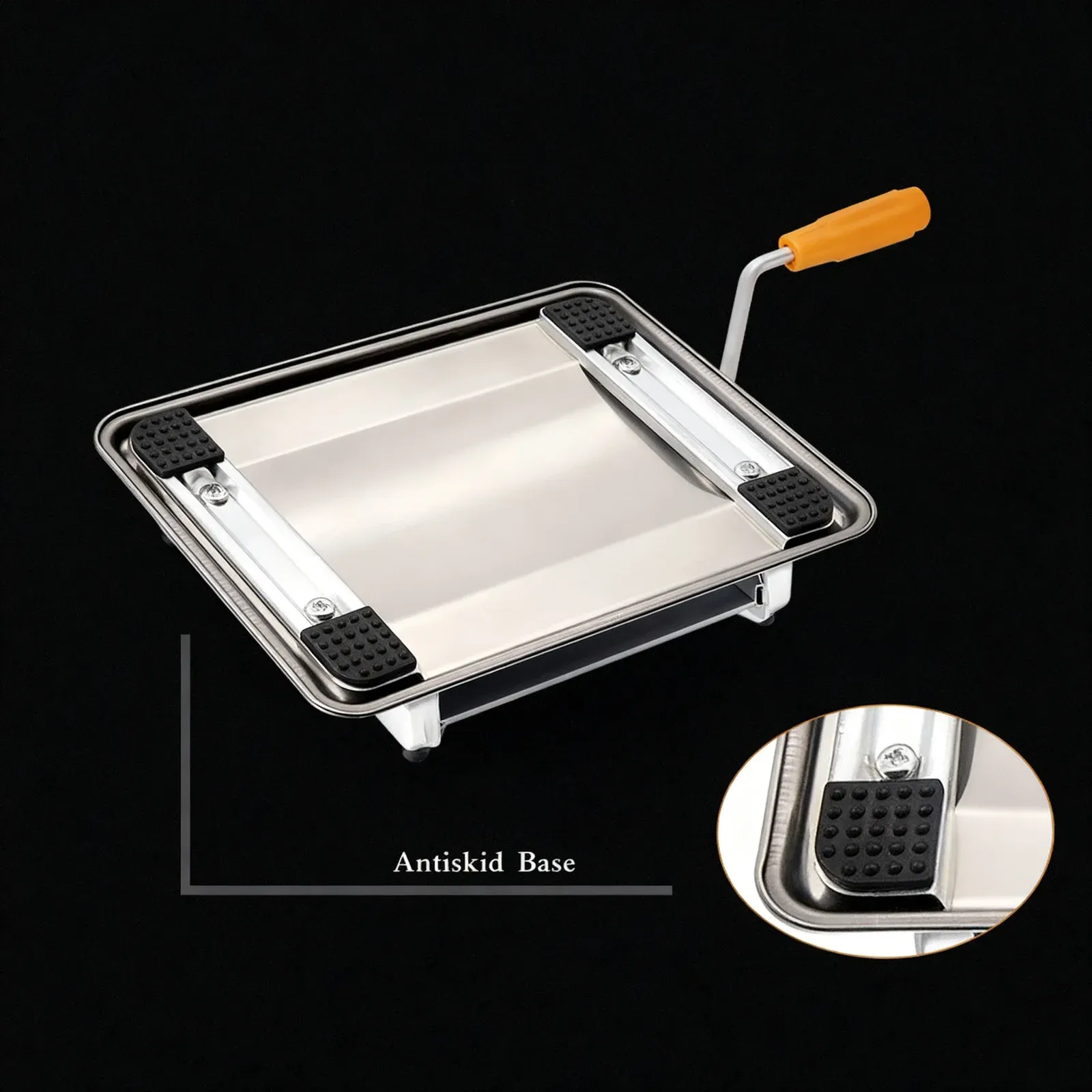
TL;DR: A polymer clay pasta machine is used to condition polymer clay, roll it into even sheets, and create smooth colour blends. However, many UK crafters searching for a polymer clay pasta machine actually need a more comfortable, craft-specific alternative such as a manual clay slab roller, especially for regular use or to reduce hand strain.
A polymer clay pasta machine is a hand-cranked roller tool that flattens and conditions polymer clay by passing it through adjustable rollers. It helps soften stiff clay, produce even sheet thickness, and improve colour blending. For UK crafters, it is often the first tool considered after hand rolling, although a dedicated clay roller or slab roller may be a better fit depending on how often you craft and how much comfort you need.
Many people first encounter the term because kitchen pasta machines were adapted for clay work. The idea is straightforward: feed the clay through rollers, reduce thickness gradually, and repeat until the clay becomes smooth and workable. However, not every machine performs equally well, and not every option is ideal for dedicated craft use. That is why buyers often compare a traditional polymer clay pasta machine with purpose-led alternatives designed around effortless crafting.
At ClayPresse, we focus on achieving smooth sheets, seamless colour blends, and consistent thickness without unnecessary hand strain. Based on our testing with regular polymer clay prep tasks, comfort, feed consistency, and reliable thickness control matter far more than simply choosing the lowest-cost option. This guide explains what a polymer clay pasta machine is, what to look for in the UK market, and how to choose a tool that fits your workflow.
Key Takeaways
- A polymer clay pasta machine is used to condition clay, roll even sheets, and create consistent blends.
- For regular use, smooth roller action and reliable thickness control matter more than a low headline price.
- Hand strain is a genuine consideration for crafters; according to NHS guidance on repetitive movement and strain, ergonomic tool choice can help reduce discomfort during longer sessions.
- Many UK buyers start by searching for a polymer clay pasta machine but then prefer a dedicated manual slab roller or clay press designed specifically for craft use.
- If you are comparing options, it is worth reading The Ultimate Guide to Clay Conditioning Machine in the UK alongside this article.
What is a polymer clay pasta machine?
A polymer clay pasta machine is a hand-cranked roller machine used to flatten and condition polymer clay. It works by pulling the clay between two rollers set at a chosen gap. As the clay passes through repeatedly, it becomes softer, more workable, and more uniform.
The term comes from kitchen pasta machines because crafters originally repurposed them for clay. Over time, “polymer clay pasta machine” became common search language even when buyers were really looking for any manual rolling tool suitable for clay. In UK craft circles, the phrase can refer loosely to three different categories:
- Repurposed pasta machines used only for clay
- Craft-specific conditioning machines
- Manual clay presses or slab rollers with similar practical benefits
Therefore, that distinction matters because someone searching for a polymer clay pasta machine may actually need a tool that handles wider slabs, offers easier pressure control, or feels less tiring over longer making sessions.
What does a polymer clay pasta machine do?
How does it condition stiff polymer clay?
Fresh or older polymer clay can be firm straight out of the packet. Passing it through rollers repeatedly helps distribute plasticisers more evenly and improves flexibility. In most cases, this is the first step before shaping, cutting or caning.
How does it make even sheets of polymer clay?
Uniform thickness is essential for earrings, decorative panels, charms and layered designs. Hand rolling can work; however, it is harder to maintain consistency across an entire sheet. A machine gives a more repeatable result.
Can it help with colour blending?
Yes. Gradient blends rely on repeated folding and rolling. A machine makes this process faster and cleaner, particularly if you want smooth transitions between two or more colours.
Does it reduce hand fatigue?
Conditioning clay by hand can be tiring, especially with firmer brands or larger quantities. A machine shifts much of the effort to the rollers and handle. As a result, many crafters find it easier to work for longer without sore hands.
Why do UK crafters search for a polymer clay pasta machine?
The popularity of polymer clay has grown steadily as more makers sell earrings, ornaments and personalised gifts through online marketplaces and craft fairs. Etsy reported in its 2024 trend reporting that personalised and handmade categories continue to attract strong buyer interest, reflecting ongoing demand for crafted goods in markets including the UK. For sellers in particular, speed and consistency are not luxuries; instead, they are part of making production practical.
That is where a polymer clay pasta machine enters the picture. It can help improve repeatability, cut preparation time, and make production less physically demanding. Buyers searching this term are often in one of three groups:
- Beginners who have outgrown rolling by hand
- Regular hobbyists who want cleaner, more consistent results
- Small business makers who need a dependable workflow
Even so, each group benefits from understanding that the right rolling tool is not always the cheapest machine labelled for pasta or craft. Long-term ease of use matters far more.
Is a polymer clay pasta machine worth it?
For many people, yes. If you regularly make jewellery pieces, decorations or layered designs from polymer clay, a roller machine can save time and improve consistency straight away. Based on our testing across repeated sheet rolling and blending tasks, the biggest benefit is not just speed but predictability: when your sheet thickness stays consistent from one pass to the next, finishing work becomes easier too.
However, whether it is worth it depends on your workflow. If you only make occasional small pieces by hand, an entry-level option may be enough. On the other hand, if you craft weekly or run a small shop stall or online business in the UK, investing in something more purpose-built can make everyday use far more comfortable.
Polymer clay pasta machine vs manual clay slab roller
This is the comparison many UK buyers eventually make. A traditional polymer clay pasta machine and a manual clay slab roller both flatten clay; however, they do not always offer the same user experience.
When does a traditional pasta-style machine work well?
- Conditioning smaller amounts of clay
- Running repeated passes for blends
- Compact storage in smaller workspaces
- Entry-level use for occasional projects
When is a manual slab roller better for polymer clay?Ready to upgrade your studio with ClayPresse?
Shop the Press — £33.69
Ready to upgrade your studio with ClayPresse?
Shop the Press — £33.69