The Ultimate Guide to Clay Conditioning Machine in the UK
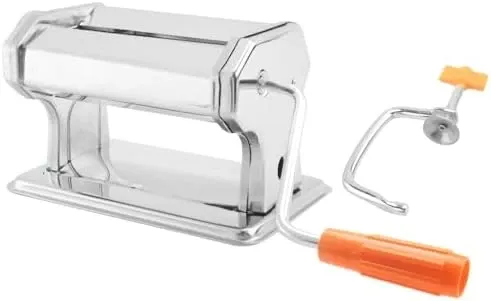
TL;DR: A clay conditioning machine is a heavy-duty mechanical roller designed specifically to warm, knead, and flatten polymer clay into perfectly uniform sheets. It eliminates manual conditioning, saving artists from joint strain and Repetitive Strain Injury (RSI), whilst enabling advanced techniques like seamless colour blending and mokume gane.
A clay conditioning machine is a specialised mechanical tool used by polymer clay artists and ceramicists to warm, knead, and flatten raw materials into uniform sheets of precise thicknesses. For makers, the physical preparation of materials often dictates the quality of the final piece. Conditioning clay—the process of aligning the polymer particles—is a non-negotiable step to prevent cracking and brittleness after baking. Yet, relying solely on hand-kneading or acrylic rollers is extremely physically demanding. Ultimately, a dedicated clay conditioning machine transforms this labour-intensive preparation into a streamlined process, ensuring flawless results whilst protecting your joints.
Key Takeaways
- A clay conditioning machine provides consistent sheet thickness, which is essential for structural integrity and complex techniques.
- Replacing manual kneading with a mechanical roller significantly reduces the risk of Repetitive Strain Injury (RSI), a common issue amongst UK crafters.
- Purpose-built machines offer superior durability and wider roller clearances compared to repurposed kitchen equipment.
- Proper maintenance, including regular cleaning of the scraper blades, extends the lifespan of your machine.
What is a clay conditioning machine and how does it differ from a pasta maker?
Many beginners start their crafting journey by borrowing equipment from the kitchen. However, there is a distinct difference between a standard pasta maker and a machine engineered specifically for polymer and ceramic clays. Based on our testing at ClayPresse, a genuine clay conditioning machine features reinforced gears, thicker rollers, and a wider opening capacity. Consequently, it can handle dense, unconditioned blocks of professional-grade clay without buckling under pressure.
Whilst a cheap kitchen gadget might suffice for a weekend project, regular makers quickly find the gears stripping or the handle snapping. Therefore, if you are debating the transition from kitchen tools to professional studio equipment, our guide on the polymer clay pasta machine explained details exactly why the internal mechanics matter.
Why do you need a clay conditioning machine?
Working with firm polymer clay brands popular in the UK requires significant hand strength. Over time, the repetitive motion of pressing and rolling cold clay takes a severe physical toll. According to UK health and safety guidelines and NHS data, Repetitive Strain Injury (RSI) frequently affects individuals performing fine motor tasks and forceful manual exertions. Furthermore, a recent report by the Crafts Council UK noted that physical fatigue and joint strain are leading causes for makers reducing their studio hours.
As a result, investing in a mechanical solution is not merely about convenience; it is a vital ergonomic choice. By passing the clay through the rollers, the machine does the heavy lifting, successfully preventing the micro-traumas in the wrists and thumbs associated with prolonged manual kneading.
What are the benefits of using a clay conditioning machine?
Achieving Perfectly Smooth Sheets
Uniform thickness is the absolute foundation of professional clay work. For instance, whether you are creating intricate jewellery components, building a slab vessel, or preparing a backing sheet, uneven clay leads to weak spots and warped baking. A conditioning machine allows you to select precise gauge settings, delivering perfectly smooth sheets every single time.
Seamless Colour Blends
The Skinner Blend—a technique used to create a seamless gradient between two or more colours—is practically impossible to achieve efficiently without mechanical assistance. By repeatedly folding and passing the clay through the conditioning machine, the colours merge beautifully. Moreover, the even pressure of the rollers ensures a flawless transition without the trapping of air bubbles that manual rolling often causes.
Effortless Crafting Without the Hand Strain
Studio time should be spent on design and execution, not wrestling with raw materials. A robust machine allows you to prepare large batches of clay in a fraction of the time. For makers looking to scale their production for craft fairs or online shops, this efficiency is invaluable. For a deeper look at how different rolling mechanisms compare, read our clay sheet roller explained guide.
How do I choose the best clay conditioning machine in the UK?
When sourcing a clay conditioning machine in the UK, several factors dictate the quality of your investment. In our extensive studio trials at ClayPresse, we have found that makers should always look for machines constructed with solid aluminium or stainless steel rollers. In addition, you must avoid machines with plastic scrapers or gears, as polymer clay can be surprisingly tough on internal components.
Additionally, consider the mounting system. British homes and studios feature a variety of work surfaces. A machine with a high-quality, adjustable desk clamp ensures stability during operation. Conversely, an unstable machine requires you to use one hand to hold the base whilst turning the handle with the other, completely negating the ergonomic benefits.
How do you clean and maintain a clay conditioning machine?
To protect your investment, routine maintenance is highly recommended. Polymer clay leaves behind a fine residue that can build up on the rollers and beneath the scraper blades. If left uncleaned, this residue inevitably transfers onto your next project, ruining light-coloured clays.
- Daily Cleaning: Wipe down the rollers with a soft cloth and a gentle solvent (such as rubbing alcohol) after each session.
- Blade Care: Carefully clean beneath the scraper blades using a wooden skewer or a folded piece of thick card to dislodge trapped clay.
- Storage: The damp British climate can unfortunately encourage rust on cheaper metal components. Therefore, store your machine in a dry environment and occasionally lubricate the gears with a drop of sewing machine oil to maintain smooth operation.
Frequently Asked Questions
Can I use a cheap pasta machine for polymer clay?
Whilst possible for very soft clays, standard pasta machines lack the reinforced gears necessary to handle firm polymer clay. Consequently, they often break quickly and leave dark streaks on the clay as the cheap metal components degrade under pressure.
How do I clean my clay conditioning machine?
Use a dry or slightly damp cloth with isopropyl alcohol to wipe the rollers. Afterwards, pass a thick, folded piece of paper towel through the machine on its widest setting to pick up loose residue. Never use metal tools to scrape the rollers, as this will scratch the surface.
Why does my clay ripple when going through the machine?
Rippling usually occurs if the clay is put through a setting that is too thin too quickly. To resolve this, always start on the thickest setting and gradually work your way down to thinner gauges to prevent the clay from stretching and rippling.
Ready to Upgrade Your Studio?
Stop battling with raw materials and protect your joints today. Explore our professional range of equipment at ClayPresse to find the perfect clay conditioning machine for your studio workbench.
Ready to upgrade your studio with ClayPresse?
Shop the Press — £33.69