Clay Sheet Roller Explained: A UK Buyer's Guide
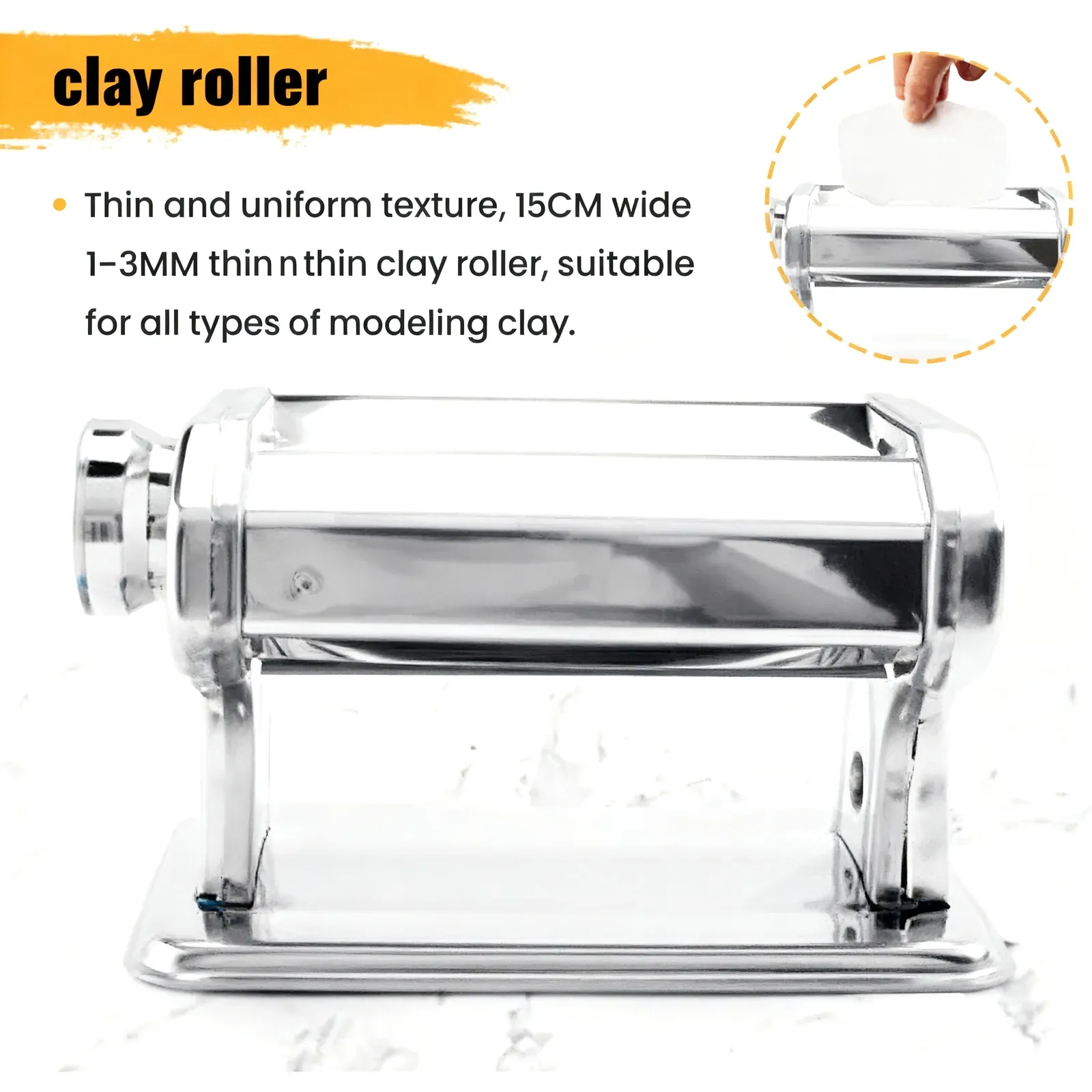
TL;DR: A clay sheet roller is a compact, mechanical device that uses adjustable metal cylinders to flatten clay into perfectly even slabs. It saves hand-builders time, drastically reduces physical wrist strain compared to using a wooden rolling pin, and guarantees consistent thickness for professional-quality home pottery.
If you are wondering exactly what this tool does, a clay sheet roller is a manual device designed to effortlessly compress and flatten clay into uniform slabs. Creating pottery at home has seen a massive resurgence across the UK. Whether working from a damp garden shed or a cleared kitchen table, thousands of British makers are discovering the tactile joy of hand-building. Yet, anyone who has spent an afternoon wrestling with a wooden rolling pin and wooden thickness guides knows the physical toll it takes. Based on our testing at ClayPresse, rolling out cold, stiff stoneware to a perfectly even 5mm thickness manually is not only exhausting but often leads to uneven results.
Consequently, this is where a clay sheet roller transforms the hand-building process. Rather than relying on brute downward force, these compact, mechanical devices use leverage and adjustable metal cylinders to flatten clay into precise slabs. For makers focused on slab-built mugs, geometric planters, or intricate agateware, moving away from manual rolling pins is undeniably the first major upgrade they make to their home studio setup.
Key Takeaways
- Consistency is crucial: A clay sheet roller guarantees uniform thickness, preventing uneven drying and warping in the kiln.
- Health benefits: Using a mechanical roller significantly reduces the wrist and shoulder strain associated with manual rolling, helping prevent repetitive strain injuries.
- Space-saving design: Modern tabletop models offer the capabilities of industrial slab rollers without requiring a dedicated studio space.
- Price expectations: A quality tabletop roller for the UK hobbyist and C1 consumer typically ranges between £80 and £200.
What is a Clay Sheet Roller Used For?
Fundamentally, a clay sheet roller is a manual, hand-cranked device designed specifically to compress and flatten clay into even slabs. Unlike the massive, freestanding slab rollers found in commercial potteries or university ceramics departments, a tabletop sheet roller is incredibly compact. It typically consists of two parallel metal cylinders, a thickness adjustment dial, and a sturdy hand crank.
To use one, you simply feed a wedge of prepared clay through the rollers, turn the handle, and the machine feeds out a perfectly flat sheet on the other side. Furthermore, by adjusting the distance between the cylinders, you control the exact thickness of your slab, right down to the millimetre. Ultimately, this tool bridges the gap between basic wooden rolling pins and heavy-duty industrial equipment, making it ideal for the home-based hand builder.
For those looking at the broader landscape of clay processing tools, you can explore our ultimate guide to clay conditioning machine in the UK to see how sheet rollers compare to motorised options.
Are Clay Sheet Rollers Worth the Investment?
The transition from a rolling pin to a dedicated clay sheet roller is rarely a decision potters regret. Indeed, the benefits extend far beyond simply saving time; they profoundly impact both the physical well-being of the maker and the technical quality of the finished ceramics.
How Does a Clay Roller Prevent Wrist Strain?
Pottery is a deeply physical craft. Wedging, kneading, and rolling clay places immense stress on the upper body. According to UK health and safety guidelines regarding repetitive manual tasks, forceful and repetitive motions frequently affect the hands, wrists, and elbows. For potters, pushing down on a rolling pin to flatten dense stoneware is a prime culprit for joint inflammation and tendonitis.
Fortunately, a manual clay sheet roller uses mechanical advantage. Turning a crank handle requires significantly less physical exertion than bearing down with your body weight. This ergonomic shift allows makers to spend longer in the studio without pain, thereby making the craft far more accessible to those with reduced hand strength or arthritis.
How Does Temperature Affect Rolling Clay?
The ambient temperature of your workspace drastically affects how clay behaves. For instance, in a chilly British garage in November, clay becomes stiff and highly resistant to manipulation. Attempting to roll this out manually often results in surface tearing or uneven edges.
However, a sheet roller forces the clay through a rigid gap, applying consistent, inescapable pressure regardless of the clay's temperature. Based on our extensive studio trials, the resulting slabs are dense, structurally sound, and entirely free from the weak spots that occur when a potter naturally favours their dominant hand during manual rolling.
Can You Use a Sheet Roller for Agateware?
For makers interested in nerikomi (the Japanese technique of pattern making with coloured clay) or agateware, a clay sheet roller is absolutely indispensable. Blending different coloured clays requires them to be rolled out to identical thicknesses before stacking and slicing. If the sheets are uneven, the patterns will inevitably warp.
Passing stacked coloured clays through the roller ensures a seamless colour blend and binds the layers together without trapping pesky air pockets. If you frequently work with highly pigmented or polymer clays for smaller intricate designs, you might also find our polymer clay pasta machine explained: a UK buyer's guide highly useful for scaling down these specific techniques.
Ready to upgrade your studio with ClayPresse?
Shop the Press — £33.69